
Somnath Temple, one of the most revered pilgrimage destinations in India, is a historical and spiritual marvel located in the coastal town of Prabhas Patan in Gujarat. As a part of the Char Dham Yatra and an important Jyotirlinga shrine, it attracts millions of devotees and tourists each year. But what is the best time to visit Somnath Temple? In this blog, we will explore the ideal seasons, weather conditions, and cultural festivals that will help you plan the perfect trip to this sacred site.
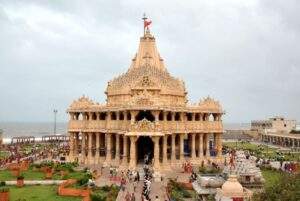
Why Visit Somnath Temple?
The Somnath Temple is renowned not only for its profound religious significance but also for its stunning architectural beauty and historical importance. It is one of the 12 Jyotirlingas dedicated to Lord Shiva, believed to be the first temple ever built to honor him. The temple has been destroyed and rebuilt multiple times throughout history, adding to its legacy as a symbol of resilience and faith.
For devotees, the Somnath Temple is a place to seek blessings, offer prayers, and connect with the divine. For history enthusiasts, it’s an opportunity to explore ancient Indian architecture, and for travelers, the temple offers serene coastal views and a peaceful ambiance.
Best Time to Visit Somnath Temple
Choosing the right time to visit Somnath Temple can significantly enhance your experience. The temple is open year-round, but weather conditions, crowd sizes, and seasonal events can influence the quality of your visit. Let’s explore the best times in detail.
Weather Conditions
Somnath experiences a hot, humid climate in summer, mild weather in winter, and heavy rainfall during the monsoon season. So, depending on your preferences, you can plan your trip accordingly.
Seasonal Analysis
Winter (October to March): The ideal time to visit Somnath, with pleasant weather and comfortable temperatures.
Summer (April to June): Very hot; with temperatures soaring above 40°C, making it less ideal for sightseeing.
Monsoon (July to September): The temple can still be visited, but heavy rains and humidity may disrupt travel plans.
Peak Season: October to March
Weather Highlights
The winter months from October to March are the best time to visit Somnath Temple. During this period, the weather is cooler, with temperatures ranging from 15°C to 32°C, making it comfortable for both sightseeing and temple visits. The clear skies and mild breeze enhance the spiritual experience, providing a peaceful atmosphere for prayer and reflection.
Festivals and Events
If you want to experience Somnath Temple at its liveliest, visiting during festivals is a great idea. Some of the most significant festivals include:
Maha Shivaratri (February-March): This is the most important festival dedicated to Lord Shiva. The Somnath temple is beautifully decorated, and thousands of devotees come to offer their prayers. The night-long worship rituals and the spiritual atmosphere make this the best time for religious travelers.
Somnath Temple Pratishtha Din (January): This event marks the consecration day of the temple. Special poojas, aarti, and ceremonies are held to honor the temple’s divine heritage.
During these months, the temple sees a surge in visitors, so it’s advisable to book accommodations and transport well in advance.
Off-Season: April to June
Weather Challenges
Summer in Somnath can be intense, with daytime temperatures often exceeding 40°C (104°F). The heat can make it uncomfortable to explore the temple or other nearby attractions. However, the evenings tend to cool down slightly, and the nights remain bearable.
Why You Might Consider the Off-Season
Despite the heat, the off-season has its advantages:
Less Crowded: Fewer tourists mean you can enjoy a more peaceful and intimate experience at the temple.
Lower Costs: Hotels and transportation are cheaper during this time.
Easier Access: Since it’s not the peak tourist season, there are fewer people at the temple, allowing for more time for personal reflection and prayer.
If you can handle the heat, this could be a great time for those looking for a quieter visit.
Monsoon Season: July to September
Monsoon Effects
The monsoon season brings heavy rains to Somnath, making it less ideal a time to visit. The temperature ranges between 25°C and 35°C, but the humidity levels are high, and sudden rain showers can affect outdoor activities. The roads around the temple might be slippery, and you might not be able to fully enjoy the scenic coastal views.
Is It Worth Visiting During the Monsoon?
While the monsoon season is generally not recommended for sightseeing, some visitors may find the rains add to the temple’s mystical atmosphere. The lush green surroundings and cooler weather provide a different kind of experience. However, the temple’s historical and religious significance can still be enjoyed, even in the rainy season.
Festivals at Somnath Temple
Maha Shivaratri
Held in February or March, Maha Shivaratri is the most significant festival at Somnath Temple. It is believed that Lord Shiva performed the cosmic dance of creation, preservation, and destruction on this night. Devotees from all over the world gather at the temple to observe fasting, chanting, and prayer rituals. The temple remains open all night, and the festivities culminate in an enchanting aarti at dawn.
Somnath Temple Pratishtha Din
Celebrated every January, the Pratishtha Din marks the installation of the current Somnath Temple. On this day, the temple is beautifully decorated, and devotees engage in special pujas. The day’s events attract large crowds, and if you’re interested in the temple’s history, this is an excellent time to visit.
Tips for Planning Your Visit
Book Accommodation Early: Somnath can get crowded during peak seasons, so it’s best to book your accommodation in advance.
Dress Modestly: Somnath Temple is a religious site, so wearing respectful attire is important.
Carry Sunscreen: If you’re visiting during the summer months, ensure you protect yourself from the sun.
Stay Hydrated: The coastal climate can be hot and humid, so drink plenty of water to avoid dehydration.
Check for Local Events: If you want to witness a specific festival or ritual, check the temple’s calendar and plan accordingly.
Conclusion
The best time to visit Somnath Temple is during the cooler winter months, from October to March, when the weather is pleasant and several religious festivals take place. However, each season offers something unique, so whether you prefer the lively atmosphere of festivals or the quieter off-season, Somnath Temple is a must-visit destination for anyone seeking peace, history, and spiritual solace.
By planning your Gujarat Tour around the right time, you can ensure a memorable and fulfilling experience at one of India’s most revered temples.